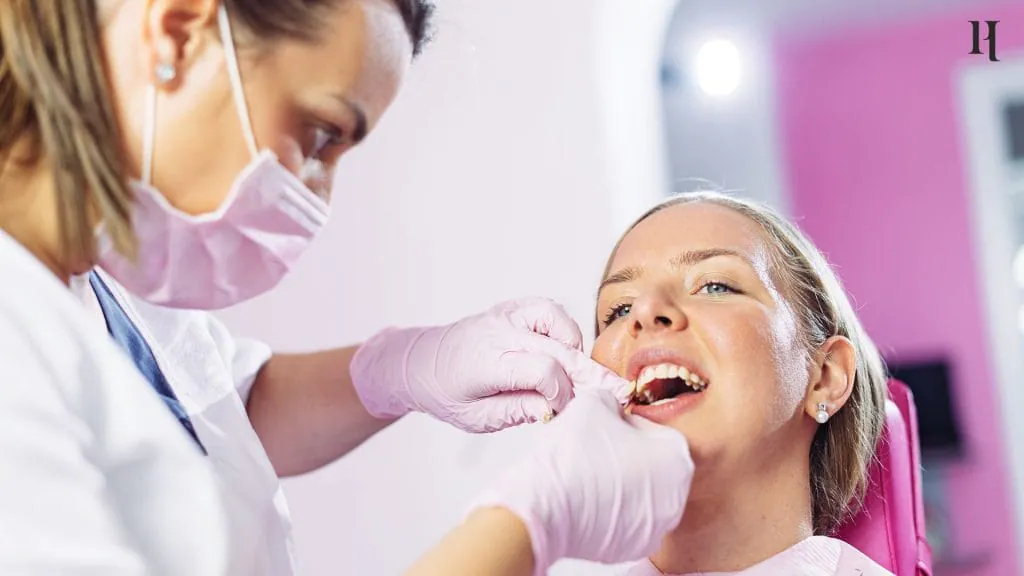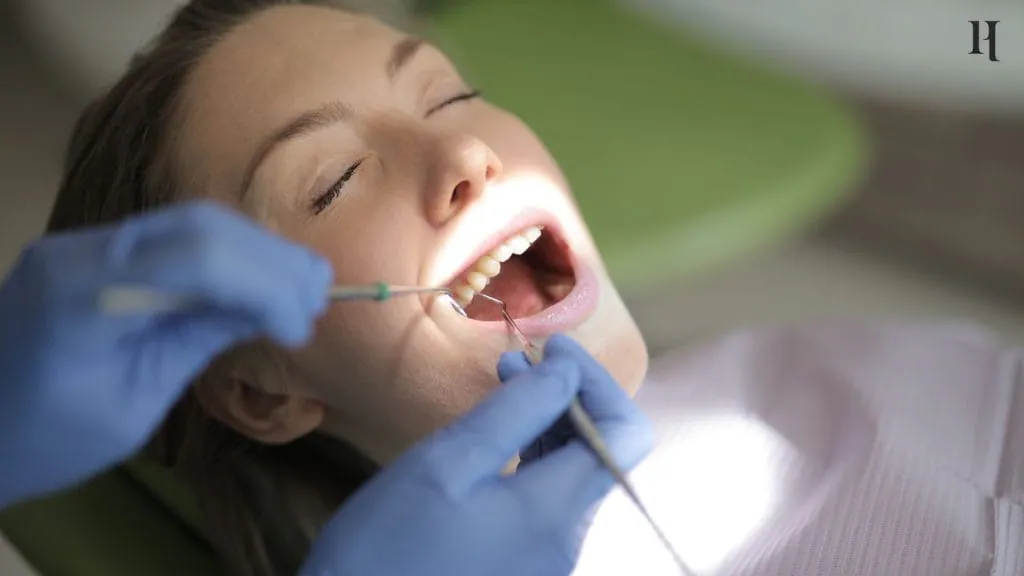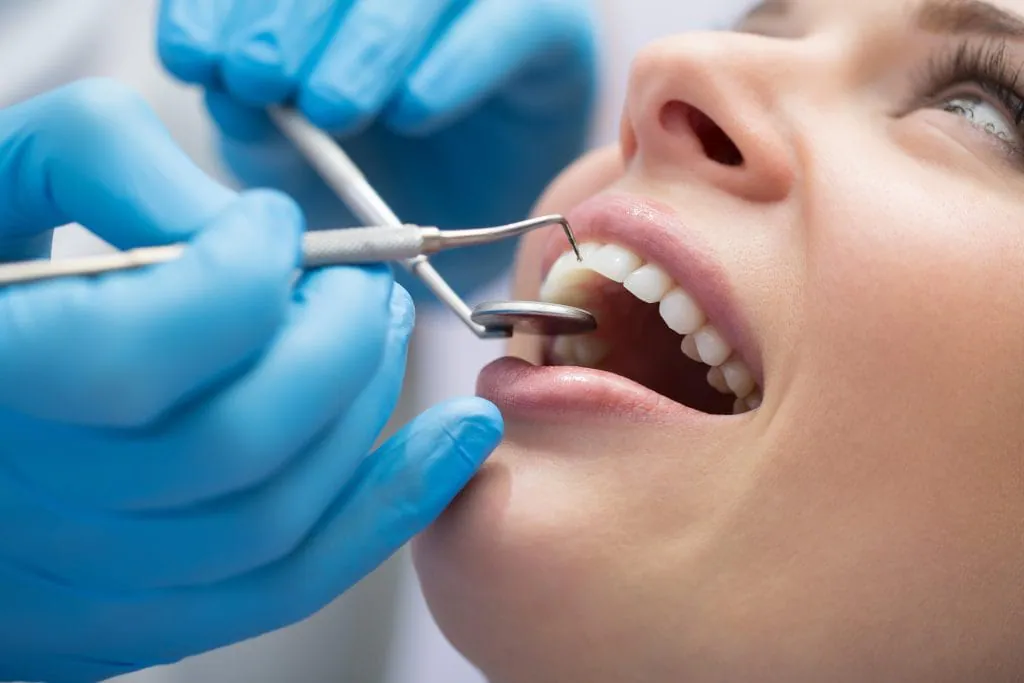
Dental veneers are very thin, tooth-colored shells bonded to the front of the teeth that can correct a wide range of cosmetic dental problems.
Introduction: A beautiful smile with bright, even teeth has a remarkable effect on facial attractiveness and self-confidence. One of the most advanced ways to achieve an ideal smile in cosmetic dentistry is dental veneers, also known as porcelain veneers. A dental veneer is a very thin, tooth-colored shell bonded to the front surface of the teeth, and it can correct a wide range of cosmetic dental problems. In this comprehensive, professionally prepared article, we explain exactly what veneers are, how the procedure is done, what they are used for, their advantages and drawbacks, how long they last, and how they differ from composite veneers. We also answer frequently asked questions about veneers and, at the end, introduce the best clinic for porcelain veneers in Shiraz. If you are thinking about enhancing your smile or are considering porcelain veneers in Shiraz, read on to the end of this article.
What Are Dental Veneers (Porcelain Veneers)?
Dental veneers, also called laminates, are a very thin layer (usually about 0.5 mm) of tooth-colored material (most often specialized dental ceramic) that is bonded to the front surface of the teeth to improve their appearance. After impressions are taken, this thin shell is fabricated in a dental laboratory and then bonded to the tooth by the dentist using a special adhesive (composite resin). Porcelain veneers look very natural, and their color and translucency are close to those of real teeth, so that in a person's smile no difference can be seen between a veneered tooth and the other teeth.
Veneers can improve the appearance of teeth in many ways. By veneering a tooth, its color, shape, size and even length can be changed as desired. For example, yellow and stained teeth can be made white and bright, gaps between teeth can be closed, chips and fractures along the edges can be concealed, and even mild irregularities can be covered without orthodontics. That is why dental veneers are considered one of the most popular smile design methods, and many artists and celebrities use them to achieve a Hollywood smile.
Dental veneers fall into two broad categories: porcelain (ceramic) veneers and composite veneers. Both serve a similar purpose, improving the beauty of the teeth, but they differ in material, fabrication method and certain characteristics, which we will discuss below. In short, porcelain veneers are made from specialized ceramic (porcelain) in a laboratory and are completely custom-made, whereas composite veneers are shaped directly on the tooth by the dentist in the office using resin materials. In the following sections, we provide a complete comparison of the two types.
The Dental Veneer Procedure, Step by Step
The veneer process is usually carried out in several stages over a few appointments. These stages include an initial consultation, preparation of the teeth and, finally, bonding of the veneers. Below we describe the main steps of the procedure one by one:
- Consultation and initial examination: At the first visit, the cosmetic dentist performs a complete examination of the patient's mouth and teeth to make sure they are a suitable candidate for veneers. The health of the teeth and gums is assessed; if there are underlying problems such as decay, gum disease or the need for a root canal, these are treated first. The patient then explains their expectations, and the dentist designs a suitable smile based on the shape of the face, skin tone, the shape of the teeth and the patient's wishes. In some cases, photographs or a digital scan of the teeth may be taken, and a software preview of the final smile may even be shown to the patient. This stage is the foundation of a successful treatment, because both patient and dentist arrive at a shared vision of the result.
- Tooth preparation and impressions: At the next appointment, the teeth are prepared to receive the veneers. First, the dentist removes a very small amount (usually less than half a millimeter) of enamel from the front surface of the tooth to create enough space for the veneer. Compared with older methods, this amount of reduction is very small and as conservative as possible, so that healthy tooth structure is not damaged. (With newer no-prep veneers, or Lumineers, no reduction is done at all when possible.) After preparation, impressions or a digital scan of the prepared teeth are taken. The impression or scan file is sent to the dental laboratory so that custom porcelain veneers can be made from it. Depending on the dentist's judgment, temporary veneers or temporary crowns may be placed on the prepared teeth to protect them cosmetically and against sensitivity between appointments.
- Fabrication of the veneers in the laboratory: This stage is the responsibility of the lab technician and may take one to two weeks. Using the impression or scan, the laboratory produces precise, thin ceramic shells that fit the shape of the teeth and the planned smile design perfectly. The shade of the veneers, based on the patient's choice and the dentist's recommendation (for example, one of the natural whites or a very bright shade), is determined at this stage and built into the fabrication. Veneers are usually made of ceramics such as lithium disilicate (known as E-max), which offer high strength and excellent esthetics.
- Placing the veneers (bonding them to the teeth): At the final appointment, the finished veneers are ready to be delivered and placed on the patient's teeth. The dentist first places the veneers on the teeth and performs a color and fit try-in to make sure their appearance and size are right. After final approval, the teeth are cleaned, dried and prepared for bonding. The tooth surface is lightly etched to roughen it. The veneer is then bonded to the tooth with a special resin adhesive and hardened with a special curing light. The dentist removes any excess material and polishes the veneer surface so it is perfectly smooth and level with the other teeth. Finally, the patient is shown how to care for the veneers. You now have a new, radiant smile!
Typically, the entire process is completed in two to three appointments, which, depending on the case, may take 1 to 3 weeks. An important advantage of veneers is that dramatic changes in the beauty of a smile can be achieved in a short time, unlike some treatments such as orthodontics that take months to years.
Uses of Dental Veneers in Smile Enhancement
Dental veneers are a versatile cosmetic dental treatment used in many situations. In general, wherever the front teeth are not in good condition in terms of shape or color, veneers can correct them. The most important uses of dental veneers are:
- Changing tooth color and whitening teeth: For teeth with severe discoloration, yellowing or stubborn stains (for example, due to tetracycline use in childhood or fluorosis), veneers are an effective way to get white, uniform teeth. Even people who are simply unhappy with the natural color of their teeth can achieve the shade they want (for example, Hollywood white) with veneers. Unlike bleaching, whose effect is temporary, the whiteness created by veneers is lasting.
- Repairing fractures and chips: If a tooth has a chipped edge or superficial cracks and fractures from trauma or wear, a thin veneer can cover it and restore the tooth's original shape. This both improves appearance and prevents the crack from spreading.
- Closing gaps between teeth (diastema): Abnormal gaps between the front teeth (known as diastema) can make a smile less attractive. Veneers can fill the spaces between teeth and create a uniform appearance without orthodontics. The veneers are designed to sit next to each other and fill the empty space.
- Correcting tooth shape, size and length: Some people have teeth of mismatched sizes (for example, one or two front teeth shorter or smaller than the rest), or some of their teeth are misshapen. Veneers are a good solution for lengthening short teeth and evening out tooth sizes. The overall shape of the teeth (for example, rounder or more square edges) can also be changed to the patient's liking so that they harmonize better with the rest of the face.
- Correcting mild irregularities: When teeth are slightly crooked or overlapping but not to a degree that requires long-term orthodontic treatment, minor reduction and veneers can give the teeth a straight, neat appearance. However, in cases of severe misalignment or jaw problems, orthodontics or foundational treatments must be done first, and veneers are not a substitute for orthodontics.
- Enhancing the overall beauty of the smile (smile design): Even when the teeth have no particular problem, people sometimes choose veneers for greater beauty and a brighter smile. For example, many people want to veneer the 6 to 8 front teeth of the upper jaw to get a so-called Hollywood smile. Veneers are one of the main tools of smile makeovers and are often combined with other cosmetic treatments such as teeth whitening (bleaching). (To learn more about the smile design process and its methods, read our article on smile makeovers.)
Given the many uses above, porcelain veneers, as a comprehensive approach, solve many cosmetic dental problems and play an effective role in improving smile design and dental esthetics.
Porcelain Veneers vs. Composite Veneers
As mentioned, there are two types of dental veneers: porcelain veneers (ceramic veneers) and composite veneers (composite laminates). In this section we look at how these two methods differ in various respects. Both are used to improve the appearance of teeth, but the differences in material and application give each its own advantages and disadvantages.
Porcelain Veneers (Ceramic Veneers)
A porcelain veneer is a thin shell of ceramic (porcelain) that is custom-made in a laboratory and then bonded to the tooth. This type of veneer requires great precision in fabrication and usually involves slight reduction of the tooth enamel and impressions taken in the office. Key characteristics of porcelain veneers include excellent strength and resistance to wear and staining, a close resemblance to natural tooth enamel (in translucency and light reflection), and long-term durability. Once placed, porcelain veneers do not change color, and their surface remains glossy and smooth. Their main drawbacks are higher cost and the longer time needed for fabrication (at least two appointments). In addition, if damaged (for example, if a veneer breaks), it cannot easily be repaired and usually has to be replaced.
Composite Veneers (Composite Laminates)
A composite veneer is a type of veneer that is shaped directly on the tooth by the dentist in a single appointment, using composite resin (tooth-colored restorative material). This method usually requires less reduction and, in many cases, is done with no preparation or only minimal preparation; composite veneers can therefore be considered the more conservative option. Composite veneers have the major advantage of speed and lower cost: the teeth can be done in one visit, and the cost is on average lower than porcelain veneers. Also, if a composite veneer chips or breaks slightly, the dentist can repair and adjust it. Their drawbacks, however, include lower durability and longevity (composite resin wears down or picks up stains over time), less luster and translucency than ceramic, and the need for periodic maintenance and polishing to keep them looking good. Over time, composites may discolor somewhat from tea, coffee, smoking and the like, and every few years they need polishing or repair.
Comparison Table: Porcelain Veneers vs. Composite Veneers
For a quick overview of the differences between the two methods, the table below compares their most important aspects:
| Aspect | Porcelain Veneers (Ceramic Veneers) | Composite Veneers (Composite Laminates) |
|---|---|---|
| Durability and longevity | High (about 10–15 years with proper care) – roughly twice as long as composite | Moderate (about 5–7 years with proper care) |
| Stain resistance | Highly resistant – does not change color and the surface stays glossy | Less resistant – may gradually turn slightly yellow or dull and needs periodic polishing |
| Esthetics and natural look | Excellent – translucency and appearance just like a natural tooth, with no long-term change | Good – acceptable color and shape, but slightly more matte than ceramic; the initial luster may fade over time |
| Tooth reduction required | Requires slight reduction of enamel (usually 0.5 mm) to seat the veneer | Minimal or no reduction in many cases; more tooth structure preserved |
| Number of appointments | At least 2 appointments (impressions and lab fabrication take time) | Usually 1 appointment (built and placed directly by the dentist on the same day) |
| Repairability | If it breaks or chips, it is often not repairable and the veneer must be fully replaced | If it chips or suffers minor damage, it is repairable by the dentist by adding new resin |
| Cost | More expensive (due to ceramic materials and laboratory steps) | Less expensive (cheaper resin materials and no laboratory fees) |
| Special advantages | Very high durability; completely natural look; excellent long-term resistance | Fast to complete; more affordable; conservative for tooth enamel |
From the points above, we can see that each method has its own advantages and limitations. Although porcelain veneers cost more, they are usually more cost-effective in terms of longevity and long-term esthetics, because they last longer and need less replacement and maintenance over time. On the other hand, composite veneers are a good option for people who want to improve their smile at a lower cost and in less time, or who want minimal tooth reduction. Ultimately, the choice between the two depends on the condition of the patient's teeth, their budget and the dentist's recommendation. Many cosmetic dentists also recommend a combination of both for the best result (for example, porcelain veneers for badly discolored or damaged teeth, and composite for smaller changes). In any case, consulting an experienced dentist will help you choose the most suitable option.
Advantages of Dental Veneers
Porcelain veneers have become very popular because of their brilliant results and the significant changes they make to a smile. The most important advantages of dental veneers are:
- Dramatic smile enhancement: The main benefit of veneers is creating a beautiful, radiant smile. Veneers can completely cover dark and yellow tooth colors and give you white, uniform teeth. This is one of the most effective treatments for a smile makeover and for enhancing facial attractiveness. Many people gain more confidence in smiling and speaking after getting veneers.
- Less invasive than older methods: Compared with traditional crowns, which required reducing the tooth all the way around, veneers remove only a very thin layer from the front surface of the tooth. As a result, most of the tooth's structure is preserved and the pulp (nerve) is not damaged. This makes veneers a conservative, minimally invasive way to beautify teeth.
- High resistance to discoloration: The ceramics used in veneers are highly resistant to foods and pigments. Unlike natural teeth or composite, which may gradually yellow from coffee, tea, smoking and so on, porcelain veneers keep a stable color and stain only with great difficulty. With good oral hygiene and by avoiding bad habits, the brilliance of your veneers will be preserved even after many years.
- A natural look of your choice: Veneers are made in a range of colors and shades, and the dentist can choose a color that blends perfectly with the patient's other natural teeth. In addition, veneer ceramic has some of the translucency of real enamel, so it reflects light like a real tooth. As a result, when done properly, people usually will not notice that the teeth have veneers, because they look natural. Of course, some people deliberately choose shades much lighter than natural teeth (ice white), which is known as the "Hollywood smile."
- Good durability and strength: Although thin, porcelain veneers are very strong. When properly bonded to the enamel, these delicate shells withstand normal chewing forces well and remain on the teeth for years. Overall, porcelain veneers have longer-lasting durability than composite and, with proper care, can serve well for more than a decade.
- Faster than orthodontics: Veneers can correct some cosmetic issues that can sometimes also be solved with orthodontics (such as gaps between teeth or slight crookedness) in a much shorter time. So for people who do not want to wait a long time for results, they are an attractive option. Within just a few weeks you can have a smile that might have taken a year or two with orthodontics.
Given these advantages, it is no surprise that dental veneers are today the first choice of many people for enhancing their smile. Keep in mind, however, that the success of this treatment depends on a proper examination, an appropriate treatment plan and a skilled dentist.
Disadvantages and Side Effects of Dental Veneers
Every treatment has drawbacks alongside its benefits, and dental veneers are no exception. Knowing the possible disadvantages and side effects of veneers will help you make a more informed decision and have realistic expectations:
- Irreversibility: Placing veneers usually requires removing part of the enamel from the tooth surface. This means it is not possible to return the tooth to its original state without a veneer. In fact, once the enamel has been reduced, you will always need a crown or veneer (or a similar restoration) to protect that area. Veneers are therefore a relatively permanent decision. People who do not want the structure of their teeth permanently changed should keep this in mind.
- Cannot be repaired if damaged: Porcelain veneers are very strong, but a severe blow or excessive pressure can crack or break them. Unfortunately, if a veneer chips or breaks, there is no way to repair it on the same tooth and the veneer must be replaced. This means spending time and money again. With composite veneers, this problem is less of an issue, as they can be repaired directly on the tooth.
- Possible sensitivity: Some patients experience temporary sensitivity to cold and heat after getting veneers. This is because the enamel has been reduced and the tooth surface is closer to the nerve. Tooth sensitivity is usually temporary and resolves within a few days to a few weeks. However, in a small number of cases the sensitivity may persist and require a consultation with the dentist. Using desensitizing toothpaste after veneers helps reduce this side effect.
- Relatively high cost: Dental veneers are among the more expensive cosmetic treatments. Porcelain veneers in particular cost more than other methods such as composite because of the laboratory steps and the ceramic material. The exact cost depends on the number of teeth veneered, the dentist's fees and the geographic location (we explain costs in more detail later). The high cost may be a limitation for some people or mean they cannot have all the teeth they need done at once.
- Risk of damage if the dentist lacks skill: Placing veneers is specialized work. If done by a non-specialist or with low-quality materials, it can cause problems, including excessive tooth reduction, inaccurate bonding and gaps between the veneer and the tooth that lead to food trapping and decay. Choosing an experienced, skilled dentist is therefore very important to minimize the risk of these complications. Poorly made veneers may also look unnatural and leave the patient dissatisfied.
- Need for ongoing care: Although veneers resist staining, poor oral hygiene can damage the margins where the veneer meets the tooth and cause decay in the parts not covered by the veneer. People who are not in the habit of brushing and flossing regularly may run into problems with veneers. In addition, some bad habits such as bruxism (grinding the teeth together), chewing ice or fingernails, and opening bottles with your teeth can damage veneers. Careful maintenance and following the dentist's advice are therefore essential to preserve the results.
Overall, dental veneers do not cause serious complications for most people, and the issues mentioned can be prevented or managed. What matters is going into veneer treatment with open eyes and full awareness, and taking aftercare seriously. In the FAQ section, we answer some other common concerns about veneers, which we also recommend reading.
How Long Do Dental Veneers Last?
One of the key questions for anyone considering veneers is how long they last. The longevity of dental veneers depends on several factors, including the type of veneer (porcelain or composite), the quality of fabrication and placement, and how well the patient cares for them after treatment. In general, porcelain veneers last longer than composite veneers.
- Durability of porcelain veneers: When properly fabricated and placed, porcelain veneers can have a useful life of about 10 years or even longer. Many studies and clinical experience have shown that porcelain veneers last 10 to 15 years, and with excellent care by the patient (good hygiene and avoiding harmful habits) they can last even longer. Some veneers may need repair or replacement within this period, but on average ten years is a common figure. After this time, wear at the edges, slight discoloration of the bonding cement or other minor issues may mean the veneers need replacing to keep the smile looking its best.
- Durability of composite veneers: Composite veneers have a shorter lifespan, usually estimated at about 5 to 7 years. Composite resin gradually loses its initial shine and may wear down or discolor slightly over several years. With periodic polishing every 6 months to a year, however, its luster can be maintained, and if it chips or discolors significantly, the dentist can repair or replace it. The good news is that replacing or repairing composite is simpler and less expensive than porcelain veneers. In any case, people who choose composite veneers should expect to need them renewed every few years.
Beyond the veneer material, proper care is the most important factor in extending the life of veneers. The following tips are recommended to keep your veneers healthy and beautiful for many years:
- Brush at least twice a day with fluoride toothpaste and floss once a day, paying special attention to cleaning the margin where the veneer meets the tooth.
- Avoid biting very hard foods with veneered teeth (for example, cracking nuts with your teeth, chewing ice or hard candy).
- Limit colored drinks and foods such as coffee, strong tea and soda, as well as smoking. Although porcelain veneers stain very little, discoloration of the bonding cement or of composite behind them can affect the overall color.
- Wear a night guard if you grind your teeth, to prevent veneers from breaking or cracking under nighttime pressure.
- Visit your dentist regularly (for example, every 6 months) for examinations and polishing of the veneers. Periodic polishing helps keep the veneer surface shiny (especially with composite veneers).
- Avoid impacts to your teeth; do not forget to wear a mouthguard in contact sports.
By following these tips, your veneers will last as long as possible. Remember that even with the best care, veneers are not forever and may need replacing after many years. But what matters is that you will enjoy a beautiful smile throughout all those years, and this investment in your appearance is well worth it.
How Much Do Dental Veneers Cost?
The cost of dental veneers can vary depending on a range of factors. This cosmetic treatment is relatively expensive, but for many people a beautiful smile and greater self-confidence are worth the cost. Factors that affect the cost of veneers include:
- Number of teeth veneered: Naturally, the more teeth you have veneered, the higher the total cost. Some people veneer only 2 or 4 front teeth, while others veneer 8 to 10 teeth (the entire smile zone). The cost is calculated per tooth.
- Type of veneer (porcelain or composite): Porcelain veneers cost more than composite veneers. The cost of porcelain veneers is usually estimated at about twice that of composite. The reason for this difference is the more expensive materials and the laboratory process for porcelain veneers. However, porcelain veneers last longer and may be more economical in the long run.
- The dentist's skill and expertise: Dentists' fees vary with their experience and skill. Naturally, a dentist who is highly experienced and well known for cosmetic veneers may charge more. Still, with cosmetic treatments it is advisable not to sacrifice quality for price, because poor results can end up costing more.
- Geographic location and clinic equipment: Costs can differ between cities and even between practices in the same city. Well-equipped specialist clinics in large cities (such as Tehran) usually charge somewhat more. For example, in 1404 (the current Iranian year) in Tehran, porcelain veneers start at a minimum of about 5 million tomans per tooth and, depending on the quality of work, may reach 8 or even 10 million tomans. In Shiraz the price range is roughly similar to Tehran and may be slightly lower. These figures change every year with inflation and rising material costs.
- Quality of materials and laboratory: Using high-quality imported ceramics (such as American and German brands) or a skilled lab technician increases the cost, but the result will also be more natural and longer-lasting. Some cheaper materials may lower the final price, but it is not advisable to sacrifice quality for a small price difference.
Overall, to give an approximate figure, the cost of porcelain veneers in the current year (1404) in Shiraz is estimated at about 4 to 6 million tomans per tooth, and composite veneers at about 2 to 3 million tomans (these are average figures and may change depending on circumstances). Reputable clinics often offer installment payment plans or periodic discounts for patients' convenience, so that more people can benefit from these cosmetic services.
Note: The prices above are approximate. To find out the exact cost of the veneers you need, it is best to contact your chosen dental clinic and have the treatment plan and cost given to you after an in-person examination. Also remember that the most expensive dentist is not necessarily the best, but do not chase the cheapest option either; expertise and finesse matter a great deal with veneers. Later in this article, we introduce one of the best cosmetic dental clinics in Shiraz, which provides excellent-quality veneer services.
Frequently Asked Questions About Dental Veneers (FAQ)
In this section, we answer some common questions that people interested in veneers often ask:
Who are dental veneers not suitable for?
Dental veneers are a cosmetic treatment, and the basic health of the teeth must be ensured before they are placed. People with very unhealthy teeth (extensive decay, very weak or damaged enamel) or active gum disease should first undergo restorative and periodontal treatment and then consider veneers. Likewise, people with severe teeth grinding or with very crooked and protruding teeth (which veneers cannot cover) are not good candidates for veneers unless those problems are corrected first. In general, anyone who still has enough enamel on their teeth and has no oral hygiene problems can be a suitable candidate. The final assessment is up to the dentist.
Do dental veneers hurt, or is anesthesia needed?
The veneer procedure usually involves no significant pain. Because the enamel reduction is superficial and shallow, it is often tolerable even without anesthesia. Nevertheless, for the patient's greater comfort, local anesthesia is usually used during preparation so that no pain is felt at all. After the veneers are bonded, you may feel a little sensitivity or mild gum soreness where they were placed, which goes away within a day or two. Overall, getting veneers is one of the less painful dental treatments.
How long do dental veneers last, and can they break?
As explained in the section on longevity, the lifespan of veneers varies depending on their type and how you care for them. An average of 10 years can be assumed for porcelain veneers and an average of 5 years for composite. Many porcelain veneers even perform excellently for up to 15 years. As for breaking, porcelain veneers are quite strong, but breaking them is not impossible. If excessive force is applied to a veneer (such as a blow or biting very hard objects), it may chip or crack. If it breaks, it must be replaced because it cannot be repaired. So it is best to be careful when chewing very hard foods and to wear a night guard if you grind your teeth, to minimize the chance of damage.
Do veneers damage natural teeth or cause decay?
Veneers placed by a skilled dentist do not harm the structure of your teeth. Only a small amount of enamel is removed, as needed to seat the veneer. After veneering, most of the tooth is covered and protected by the veneer. The veneer itself does not cause decay, but if you do not maintain oral hygiene or the veneer margins are not properly finished, the junction between veneer and tooth may become a site for plaque buildup and decay. So it is important both to choose an experienced dentist and, after getting veneers, to pay as much attention to cleaning your teeth as before (or even more). Regular brushing and flossing and periodic checkups will prevent decay under the veneers.
What is the difference between dental veneers and dental crowns?
Veneers and crowns are both coverings for teeth, but they differ fundamentally. A dental crown is a cap-like covering that covers all surfaces of the tooth (front and back) and is used for badly damaged teeth or after a root canal. In contrast, a veneer covers only the front surface of the tooth and is more of a cosmetic treatment than a restorative one. Veneers require less reduction than crowns. Simply put, veneers are used to beautify relatively healthy teeth, whereas crowns are necessary to rebuild treated or damaged teeth. In terms of material, crowns can be all-metal, ceramic or porcelain-fused-to-metal, whereas veneers are mainly ceramic or composite.
How much do dental veneers cost, and are installments available?
The exact cost depends on the number and type of veneers, but in general porcelain veneers cost several million tomans per tooth (for example, 4 to 6 million tomans per unit under current conditions). Composite veneers are cheaper (about half the price of porcelain). Many clinics offer installment payments or special discounts for patients' convenience, so be sure to ask your chosen clinic about these options. Remember that veneers are an investment in your smile and appearance that will last you for years.
How many appointments do veneers take, and how long does the process last?
Most of the time, porcelain veneers are completed in two to three appointments (one for consultation and preparation, one for impressions, and one for delivering the veneers). There may be one to two weeks between appointments while the laboratory makes the veneers. Each appointment usually lasts one to two hours. Composite veneers are usually done in a single appointment of a few hours because there are no laboratory steps. Overall, porcelain veneers take about 2 to 4 weeks from start to finish. This time frame may be shorter or longer depending on the practice and the number of veneers.
Are dental veneers allowed during pregnancy?
It is recommended that non-essential dental treatments not be done during pregnancy, especially in the first trimester, when the fetus is forming. Although the veneer procedure itself is relatively safe, it is better to postpone it because of the possible need for X-rays, anesthesia and the stress of treatment. If it is not necessary, you can put off veneers until after pregnancy so you can be treated with greater peace of mind. In an emergency, be sure to consult your obstetrician and inform your dentist that you are pregnant.
What care is needed after veneers are placed?
No special care beyond normal oral hygiene is needed, but as mentioned earlier, good oral hygiene is the key to the long-term success of veneers. Be sure to brush and floss daily, and use a fluoride mouthwash if your dentist recommends it. Avoid chewing very hard objects. Visit your dentist every 6 months for a checkup and professional cleaning. If you notice anything unusual (for example, a loose veneer, persistent bad breath or pain), let your dentist know right away. With this care, your veneers will stay problem-free for years.
Dr. Pooria Hefzollah Dental Clinic – The Best Choice for Porcelain Veneers in Shiraz
If you have decided to get dental veneers and are looking for a reputable, specialized center in Shiraz, we recommend Dr. Pooria Hefzollah's dental clinic. Using the latest dental technologies and years of successful experience in cosmetic dentistry, this clinic is considered one of the best centers in Shiraz for all kinds of cosmetic and restorative dental treatments. Dr. Pooria Hefzollah has more than ten years of specialized experience in smile esthetics and is a member of the American Association for Dental Research. His high level of skill and precision in placing porcelain veneers has resulted in maximum patient satisfaction.
Services at Dr. Pooria Hefzollah's clinic include:
- Porcelain veneers (ceramic veneers): High-quality E-max veneers with outstanding longevity and esthetics. Digital smile design before the veneers are made, to achieve the best result for the patient.
- Composite veneers: Smile makeovers with high-grade composites and up-to-date techniques, in one appointment and with minimal reduction. Suitable for smaller changes at an affordable cost.
- Digital implants: Digital, minimally invasive dental implant placement using a computer-guided surgical guide to increase implant placement accuracy. This method offers a shorter recovery period and a higher success rate.
- Teeth whitening: Professional in-office whitening with safe and effective whitening agents to lighten natural teeth by several shades.
- Scaling and gum cleaning: Professional removal of tartar and plaque using ultrasonic scaling and polishing, to maintain healthy gums and a bright smile.
- Root canal treatment: Treatment of damaged teeth with the latest techniques and modern equipment, completely pain-free.
- Gum surgery: Advanced gum procedures such as gum lifts to correct a gummy smile, removal of gum lesions, and treatment of periodontal disease under specialist supervision.
With its experienced staff, modern and sterile environment, top-grade materials and, above all, a caring approach to patients, Dr. Pooria Hefzollah's clinic has earned the satisfaction of its patients. The clinic is recognized as one of the best dental clinics in Shiraz and offers free consultations to patients. If you are looking for a more beautiful smile, contact Dr. Pooria Hefzollah's clinic today and make your dream of an attractive smile a reality with the professional services of this practice.
We hope this article has given you a comprehensive, clear understanding of dental veneers, their advantages and disadvantages, how they differ from composite veneers, and other related aspects. Remember that each person's smile is their signature of beauty, so choose your treatments and cosmetic dental specialists carefully to get the best result. Dr. Pooria Hefzollah's clinic in Shiraz is ready to accompany you, with up-to-date knowledge and expertise, on the path to a beautiful, radiant smile. Keep smiling!
Sources and References:

Written at the studio of
Have a question about this article, or wondering which treatment suits you best? We’ll answer it at your free consultation.